Fall HVAC Inspections: What Homeowners Need to Know About Dirty Air Ducts This Season
 Many homeowners begin noticing strange odors, debris blowing from vents, or reduced airflow during the fall. These issues are common this season and often point to one underlying problem: dirty or contaminated air ducts. Recently, one homeowner called us after installing a new HVAC system but still experiencing unpleasant smells and visible debris inside the ductwork. Their story is one many Northern Virginia and Maryland residents can relate to, and it highlights why fall is the perfect time for a full duct inspection and cleaning.
In this guide, we walk through common homeowner concerns, real-world duct issues, and expert answers to the exact questions people ask during fall inspections. Whether you're dealing with odors, dust buildup, construction debris, or inconsistent airflow, this article explains what to expect and how professional duct cleaning can restore your indoor air quality.
Understanding the Homeowner’s Situation: Odors, Debris, and Airflow Problems
In the anonymized call example, the homeowner had a newly installed HVAC system but still noticed debris inside their ducts and a strange smell when the system was running. After using a small camera to inspect the ducts, they discovered old construction debris and dust buildup. They wanted reassurance that a full duct cleaning would actually remove the debris from both the supply and return lines, and that the process would not push contaminants into the furnace.
Their concerns are extremely common in fall, especially after seasonal HVAC system changes or renovations.
What Homeowners Often Ask During Fall Duct Inspections
Below are the key questions extracted from the call, reframed as common homeowner questions:
- Will a duct cleaning reach the main trunk line and all supply and return ducts?
- Can debris get pushed into my furnace during the cleaning process?
- Will the cleaning remove dust, construction debris, and buildup in the long duct runs?
- What happens if mold is found inside the ductwork?
- Is microbial fogging safe for children, pregnant individuals, and sensitive family members?
- Will a deodorizing or sanitizing treatment eliminate odors inside the ducts?
- How do technicians check for mold or contamination before cleaning?
These are important concerns, especially during fall when homeowners close windows, use heat more frequently, and start noticing indoor air quality changes.
How We Answer These Questions: Expert, Clear, Reassuring Guidance
When customers call with concerns, we explain our process in detail to help them feel confident and informed. Here is how we respond to the concerns above:
We thoroughly clean the entire system, including the main trunk line
Our NADCA-certified team uses industry-standard methods to access the trunk line (the large metal box where ductwork begins) and clean all supply and return ducts using a combination of negative pressure vacuuming and positive-pressure air tools.
We block and protect the furnace so that debris cannot enter
During cleaning, technicians create a temporary 10-inch access opening in the trunk line. Before any cleaning starts, they seal off the connection to the furnace to prevent debris from entering the system components.
We remove dust, debris, buildup, and contaminants throughout the duct system
Whether the ducts contain construction debris, dust from renovations, or years of buildup, our process removes the material safely and efficiently using high-pressure agitation tools and commercial-grade vacuum equipment.
We pause the job if extensive mold is found
If visible mold growth appears anywhere in the ductwork, registers, or trunk line, technicians pause the cleaning. This protects the home by preventing mold from spreading. Homeowners are referred to a mold remediation company before rescheduling.
Microbial fogging is safe, EPA-approved, and leaves no residue
We use Benefect Decon 30, an EPA-approved botanical disinfectant derived from thyme oil. It is safe for families, children, and pregnant individuals. It sanitizes the air inside the ductwork and may help with lingering odors.
Deodorizers cannot guarantee odor removal, but they can help
If odors originate from debris or buildup inside the ducts, cleaning typically reduces or eliminates them. Fogging helps sanitize and lightly deodorize the ducts but cannot fix non-duct-related odor sources such as moisture issues, dead animals, or furnace problems.
Technicians check for mold visually during access
While we do not use internal scopes, our team inspects all accessible areas during the removal of vents and the creation of access points. If visible mold is present, the technician stops the job for safety.
Why Fall Is the Best Time for Duct Cleaning
Fall is ideal for air duct cleaning for several reasons:
1. HVAC Systems Start Running More Frequently
When the heat kicks on for the first time in months, any dust or debris inside the system gets circulated through the home.
2. Closed Windows Increase Indoor Contaminant Levels
Homes become more sealed during cooler weather, causing debris or odors inside the ductwork to feel more pronounced.
3. Fall Allergens Accumulate
Ragweed, leaf mold, and outdoor dust often settle in return ducts before winter, especially in older or more active households.
4. Renovation Season Creates Construction Dust
Many homeowners complete remodeling projects before the holidays. That dust often settles inside ducts and requires professional cleaning.
5. December Appointments Fill Quickly
As temperatures drop, appointments rise. Booking early ensures your system is clean before winter.
People Also Ask: Fall Air Duct Cleaning FAQs
How can I tell if my air ducts need cleaning?
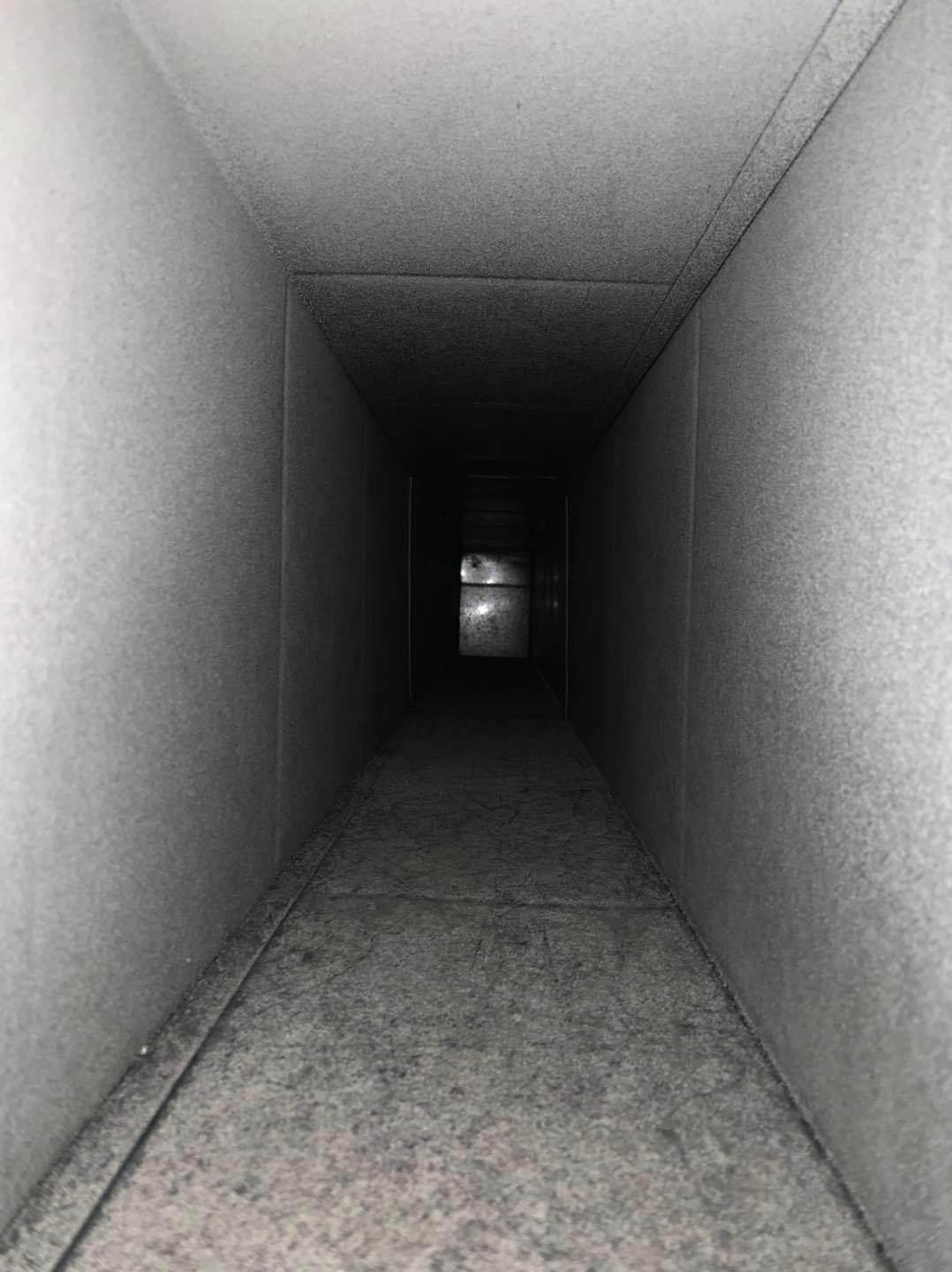
Signs include visible dust around vents, odors when your system runs, reduced airflow, or debris observed inside ducts. Fall is a prime time to discover these issues as systems switch from cooling to heating.
Does duct cleaning improve airflow?
Yes. Removing buildup in the supply lines and trunk ducts allows conditioned air to flow more efficiently, improving system performance and comfort.
Can duct cleaning help with fall allergies?
Cleaning removes allergens like dust, pollen, and pet dander that settle inside ductwork, helping reduce airborne irritants circulating through your home.
Is microbial fogging necessary after duct cleaning?
It is optional but helpful for sanitizing the duct interior and providing light deodorizing. It does not replace mold remediation if mold is present.
Is the duct cleaning process safe for my HVAC system?
Yes. When performed by NADCA-certified technicians, duct cleaning follows strict guidelines to protect your system while thoroughly removing debris.
Expert Air Duct Inspection and Cleaning in Northern VA
If you're noticing odors, debris, or airflow changes this fall, now is the perfect time to schedule your air duct inspection and cleaning with Atlantic Duct Cleaning. We proudly serve homeowners throughout Northern VA, delivering certified indoor air quality solutions to keep your home safe and comfortable. Breathe cleaner air this season. Schedule your appointment today.