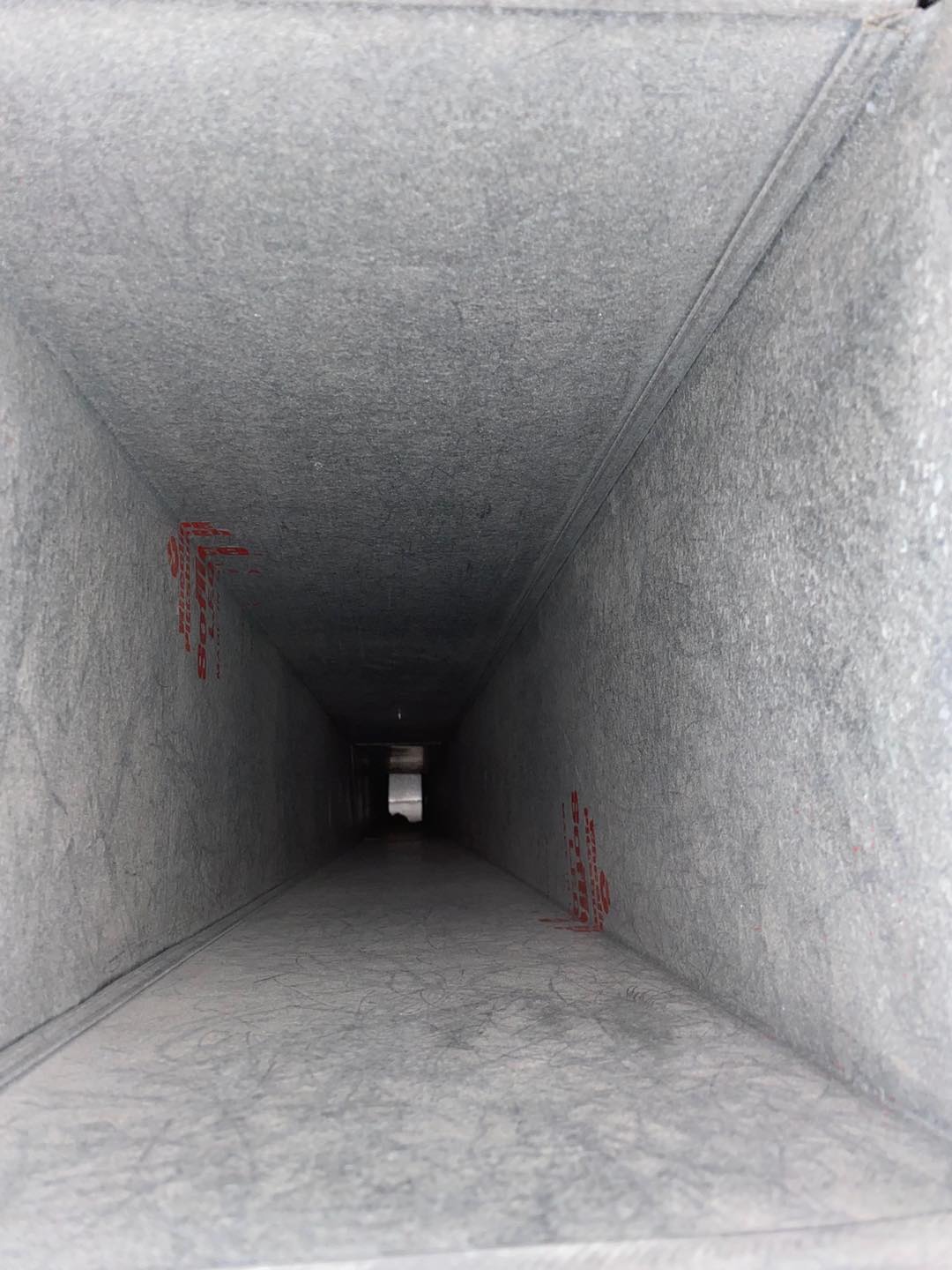
If your home has two HVAC systems, you may be wondering how air duct cleaning works and whether both systems need to be cleaned at the same time. Dual-system homes are common in larger properties and multi-level layouts, but they can create confusion when it comes to duct cleaning, airflow, and system identification. Understanding how professional duct cleaning works in these setups can help you make informed decisions about maintaining indoor air quality and HVAC performance.
Recently, we worked with a property that had two furnaces located in the basement. The homeowner needed duct cleaning in a specific area, but wasn’t initially sure which system fed which sections of the home, which made scheduling and planning more complex than expected.
A dual-system home has two separate HVAC systems, typically two furnaces or air handlers, each serving different zones of the home. Often, one system handles the upper floors while another manages the lower level or basement. This setup improves comfort control and energy efficiency, but it also means there are two independent duct systems.
Each system includes its own supply ducts, return ducts, trunk lines, and blower components. When scheduling air duct cleaning in a dual-system home, it’s important to determine which system serves which areas so the correct ductwork is cleaned.
Not always. In some situations, only one system requires cleaning. For example, if remodeling or construction work is completed in a specific zone, debris may be limited to the ducts connected to that system.
However, if both systems are older, have visible dust buildup, or have not been cleaned in several years, cleaning both may be recommended. We assess each system individually to determine the appropriate scope of service.
This is one of the most common questions homeowners and contractors ask. In dual-system homes, identifying the correct furnace or air handler is critical. We typically distinguish systems by locating the physical equipment, tracing supply and return trunk lines, and identifying which vents correspond to each system.
If both furnaces are located in the same area, such as a basement mechanical room, labeling and airflow tracing help clarify which ductwork belongs to which system. Clear identification ensures that only the intended duct network is cleaned and that no portion of the home is overlooked.
Yes, but only if the ductwork for that zone is fully connected to a single system. In some homes, especially those that have undergone renovations, ductwork may be partially tied between areas or modified over time. That’s why verifying the configuration is essential before beginning the cleaning process.
When a homeowner requests cleaning for a specific level, such as the basement or first floor, we confirm that those ducts are tied to the same HVAC unit. Once confirmed, we proceed with cleaning that system independently.
When cleaning ductwork in a dual-system home, we treat each system as a separate project. The process includes:
If both systems are being cleaned, the process is repeated independently for the second system. This ensures thorough cleaning without cross-contamination.
No. One common misconception is that the HVAC unit must be operating for duct cleaning to take place. In reality, we turn systems off during the cleaning process. Our equipment generates the necessary airflow and suction to remove debris safely and effectively.
As long as the property has electricity available to power our equipment, duct cleaning can be performed without activating the heating or cooling system.
Time depends on the number of systems and the condition of the ductwork. Cleaning one system typically takes several hours. For homes with two full systems, the appointment window is extended to ensure proper cleaning of both networks.
Each system must be handled carefully and separately, which requires adequate time for setup, cleaning, inspection, and completion.
In dual-system homes, remodeling can introduce construction dust, drywall debris, insulation particles, and other contaminants into the ductwork. If new duct sections were added or equipment was upgraded, cleaning ensures that loose debris does not circulate once the system is operational.
Post-construction duct cleaning is especially important before fully conditioning interior spaces, as dust buildup can impact air quality and system efficiency.
No. Pricing is typically based on the number of HVAC systems rather than the overall size of the home. Each system requires its own cleaning process.
We help identify and confirm the correct system before beginning work. Clear communication and on-site evaluation ensure the right ducts are cleaned.
Proper identification prevents this. We verify connections and trunk lines before cleaning to ensure that debris is not left behind in connected sections.
Dual systems can enhance comfort and airflow control, but both systems must be maintained properly. Dirty ducts in one zone can still affect air quality in that portion of the home.
Dual-system homes require attention to detail. Misidentifying a system can result in incomplete cleaning or confusion about airflow. Our experience with multi-system properties allows us to distinguish equipment correctly, clean thoroughly, and ensure that each zone receives the service it needs.
Whether your home has two furnaces in the basement, split levels, or separate heating zones, proper duct cleaning begins with understanding your system layout.
If you have a dual-zone or multi-system HVAC setup and are unsure how duct cleaning should be handled, Atlantic Duct Cleaning is here to help. Our team carefully evaluates your configuration, identifies the correct systems, and provides thorough, professional air duct cleaning designed to improve airflow and indoor air quality.
Contact us today to schedule an inspection or request a quote for air duct cleaning in your home.
When a dryer displays a “check filter” warning, it often leaves homeowners wondering whether the…
If you notice unpleasant or musty smells coming from your air vents, it can be…
Many homeowners begin noticing strange odors, debris blowing from vents, or reduced airflow during the…
When the Fall Air Turns Damp, Your Ducts Feel It TooWhen the crisp air of…
Why Are Fall Allergies Worse Indoors?October in Northern Virginia and Maryland is beautiful - cooler…
The Overlooked Fall To-Do: Air Duct InspectionsWhen September rolls around, most people think about raking…